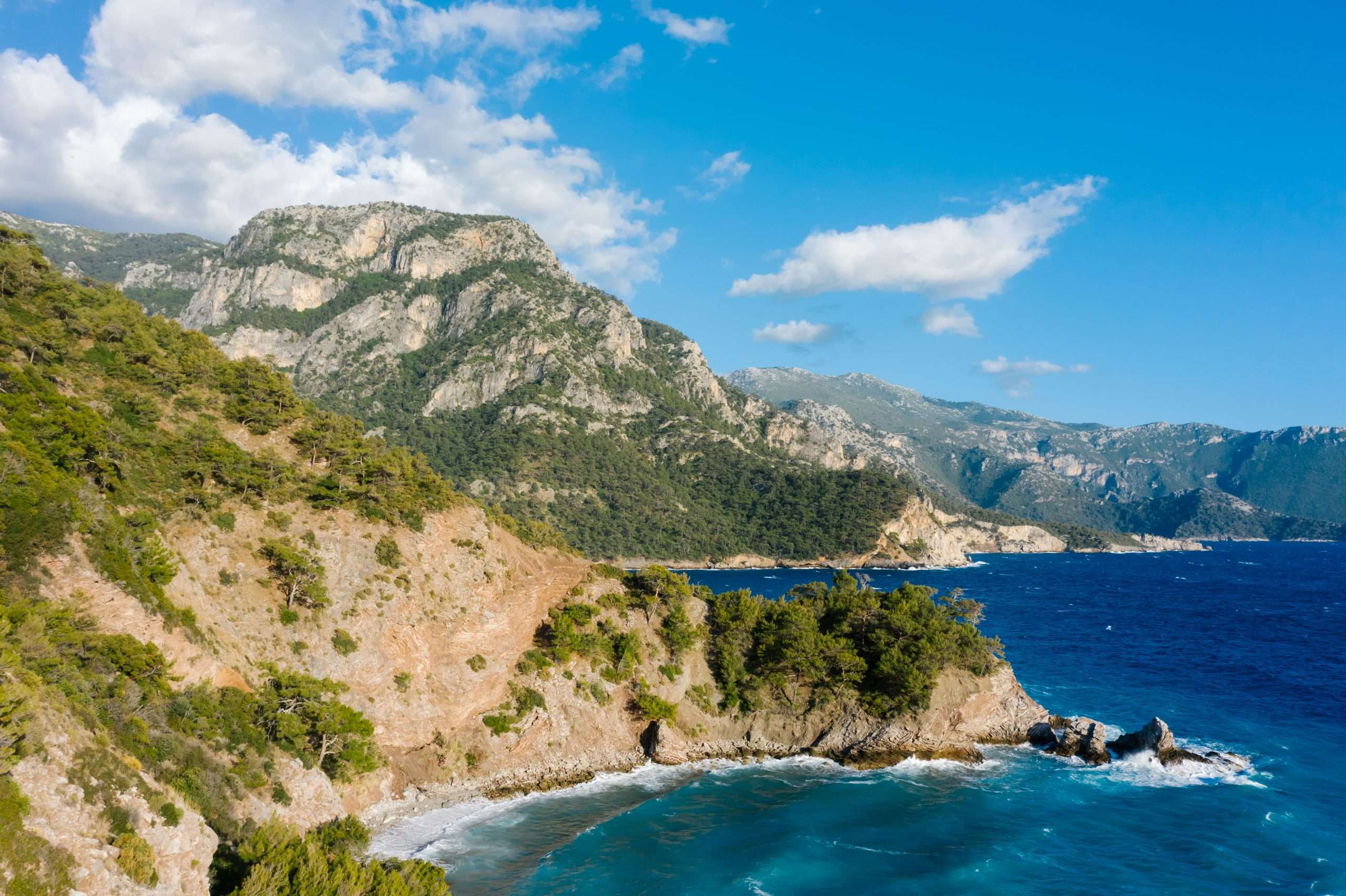
One of the finest aspects of the Castellón coastline is that you have everything—both sea and mountains—just steps away. Standing prominently in the middle of this characteristic landscape is the Desert de les Palmes Natural Park, located just a few short minutes from the town center and the beaches of Benicàssim. This prime location makes it an extremely accessible option for a quick outdoor getaway on any Friday afternoon, or even for a weekday hike to enjoy stunning views and disconnect from the daily grind.
A green lung overlooking the Castellón coastline
Spanning over 3,000 hectares, the park extends across the municipalities of Benicàssim, Cabanes, La Pobla Tornesa, Borriol, and Castellón de la Plana. Being so close to the sea, its climate is remarkably mild, allowing strawberry trees, laurustinus, heather, and especially the dwarf fan palm (Chamaerops humilis) to thrive. The latter is Europe’s only native palm tree and the species that gives the park its name (palmes).
What makes this protected natural area on the Costa del Azahar so special
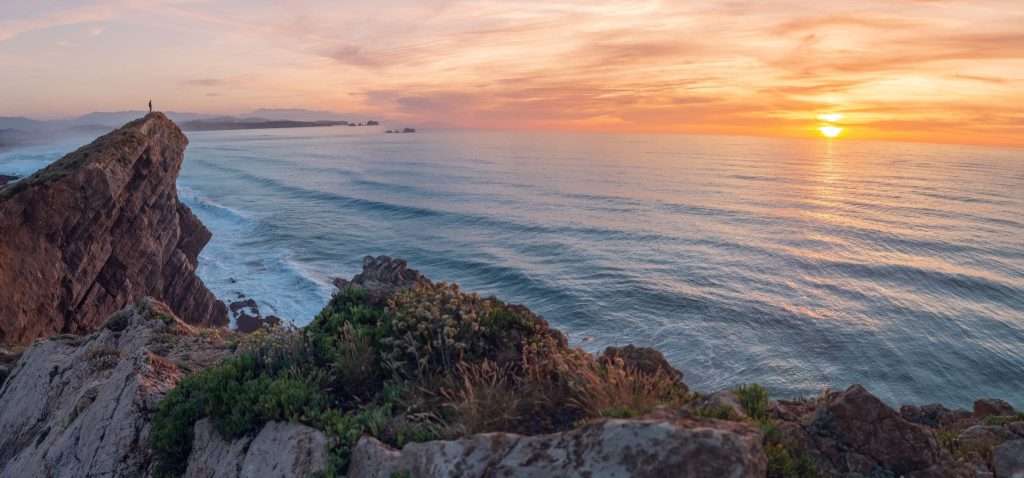
Although its name includes the word “desert,” it is by no means an arid wasteland. The term originates from the Discalced Carmelites, who referred to the isolated locations they chose for meditation and spiritual retreats as “deserts.” It is easy to see why they chose this spot: the combination of red rodeno sandstone rocks, Mediterranean flora, and sweeping direct views of the Balearic Sea makes this park one of the most beautiful and relaxing natural settings in the province.
Essential trails to discover the area on foot
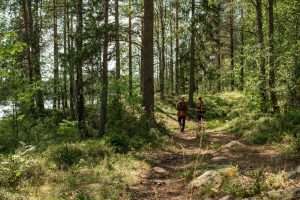
The park’s network of trails offers options for all fitness levels. Whether you are seeking a more demanding hike or a quiet weekend stroll alone or with family, you can fully enjoy the terrain and its scenery.
Top options for walking among peaks and viewpoints
If you enjoy hiking, here are some of the most popular routes in the area:
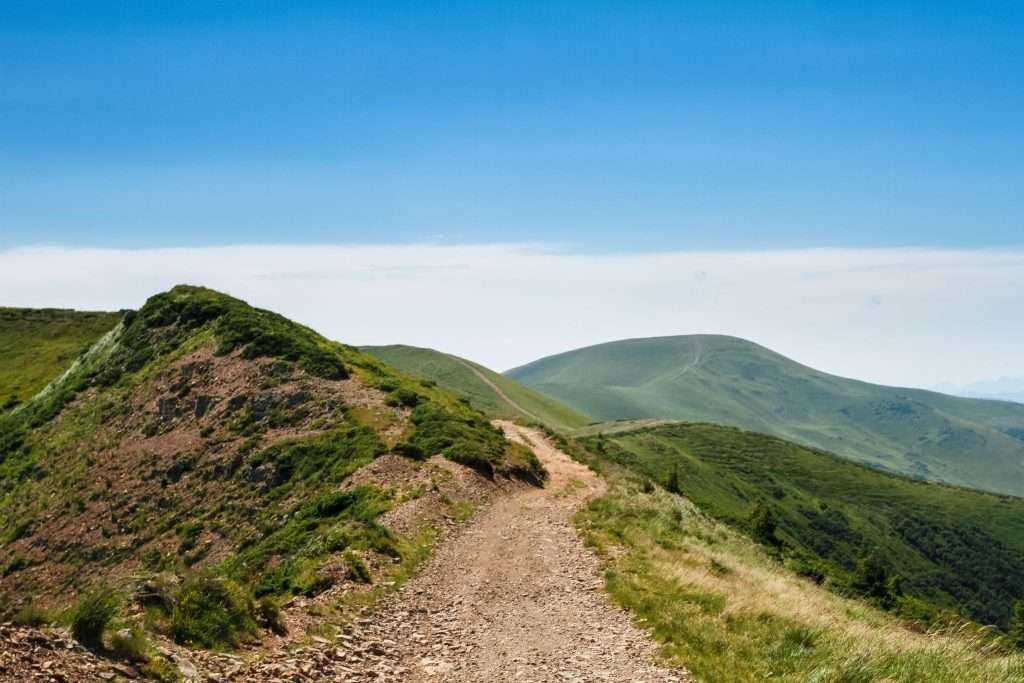
- Ascent to El Bartolo (736 meters): The highest point in the park. The climb requires some physical effort, but the summit rewards you with a 360-degree panoramic view of the entire La Plana region and, on clear days, all the way to the Columbretes Islands.
- Las Crestas route: A slightly more technical trail that runs along the rodeno sandstone ridges and passes by the famous Agulles de Santa Àgueda.
- Old Convent and Springs trail: A simple, circular walk perfect for families. It winds through shaded vegetation, visiting several natural springs and historic ruins.
Practical tips to prepare for your mountain outing
To make the most of your hiking routes in the Desert de les Palmes, keep these basic details in mind:
- Proper footwear: The terrain alternates between dirt paths and sections of loose rock and limestone, making sturdy trail sneakers or hiking boots with good traction essential.
- Water and sun protection: While sea breezes help temper the heat and make the walk more pleasant, there is very little shade at higher elevations. Always carry sufficient water, a cap, and sunscreen.
- Best time to visit: Autumn, winter, and spring are the ideal seasons for walking without dealing with excessive heat.
Points of historic and cultural interest during your visit
The appeal of the Desert de les Palmes Natural Park extends far beyond its natural beauty. Along its slopes lie numerous well-preserved historical ruins that are well worth a stop.
The ruins and history of the old Carmelite convent
In the heart of the valley stands the historic Monastery of the Desert de les Palmes. Constructed by the Discalced Carmelites in the 17th century, it suffered earthquake damage in 1783, prompting the construction of a new convent slightly lower down the mountain—the one still in active use today. The original building’s overgrown ruins offer one of the most photogenic backdrops in the entire park.
Vestiges of the past: Montornés Castle, Miravet Castle, and the ruins of La Plana on El Bartolo
These mountains held significant strategic value during the Middle Ages, as evidenced by the surviving Moorish fortifications:
- Montornés Castle: Perched atop a rocky ridge, it overlooks the entire coastal plain and the shores of Benicàssim.
- Miravet Castle: It guarded the mountain passes connecting the coastline with inland regions.
- Stations of the Cross chapels and La Plana ruins: Small structures scattered across the slopes of El Bartolo that serve as reminders of the hermit life that once existed here.
Plan your day: access points and services within the park
If arriving by car, the primary route is the CV-147 road, which winds up the mountain pass connecting the N-340 highway with the interior. A great first stop is the La Bartola Visitor Center, where you can pick up trail maps, view exhibits on local flora and fauna, and ask for route recommendations.
Where to take a break and enjoy the views
After a good hike, staying for lunch on the mountain is a wonderful option. Located near the main lookout point is the Desert de les Palmes Restaurant (Restaurante el Desierto de las Palmas), recognized with a Repsol Solete. It is a renowned local spot where you can dine with sweeping sea views, highly recommended for its wood-fired rice dishes and grilled meats.
The privilege of living steps away from both sea and mountain
Few regions along the Mediterranean allow you to have premier beaches and a protected natural park so close to one another, making Benicàssim a truly privileged place to call home. Having it all right at your doorstep completely transforms daily life.
A unique natural contrast to disconnect from routine
Being able to take a morning stroll along the beach in Benicàssim before work and immerse yourself in vibrant Mediterranean nature along the trails of the Desert de les Palmes in the afternoon represents true quality of life.
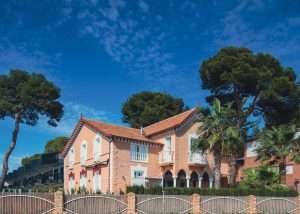
It is precisely in this idyllic setting that the Azure El Poblado residential development is located—a project created for those seeking high standards of comfort, peace of mind, proximity to nature, and the ultimate Mediterranean lifestyle.